
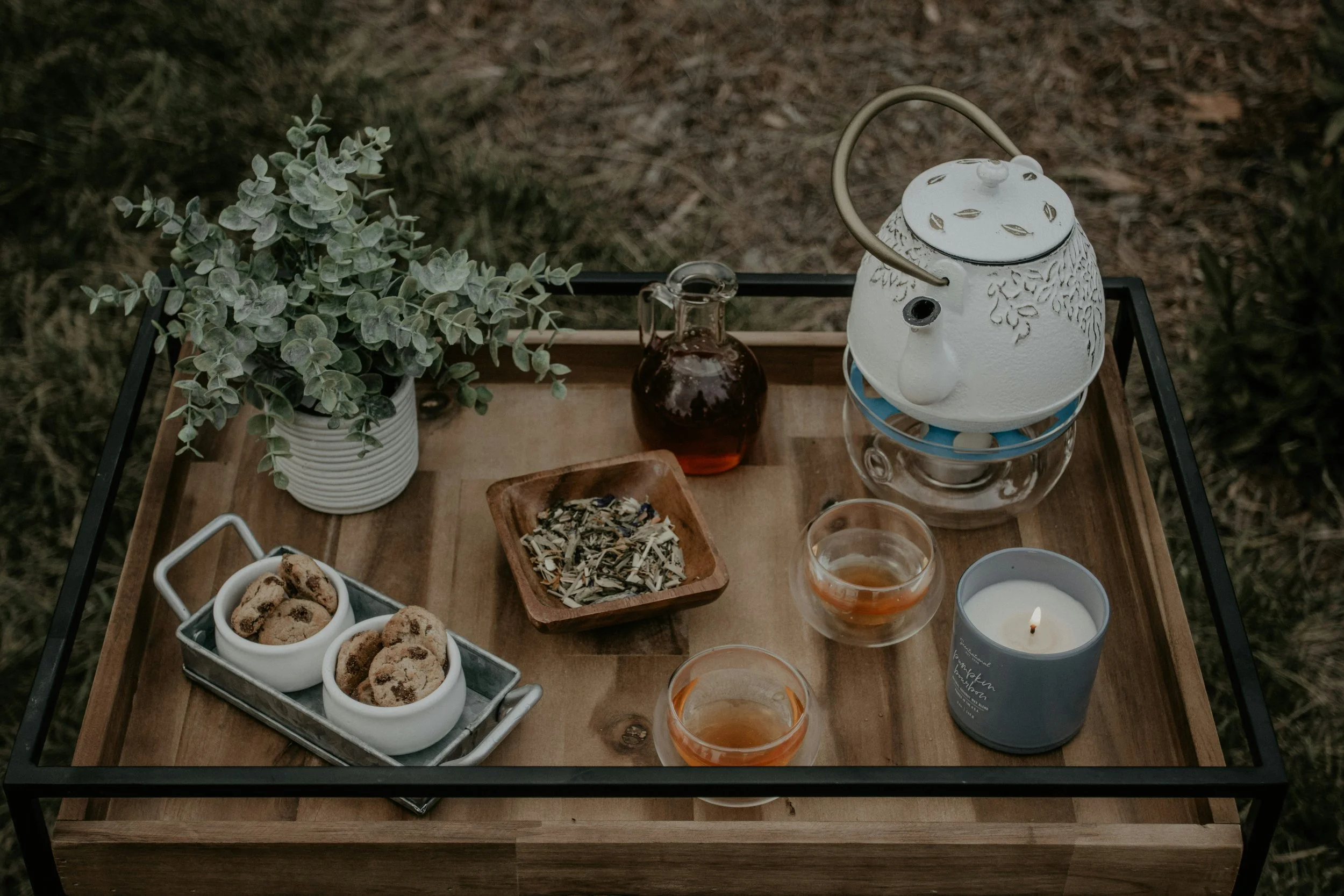
Cold and flu season is here, and the holidays are close behind. The good news is that most colds and many cases of flu can be met well at home with warmth, rest and a few simple remedies, used early and used often.
I think of an infection in three stages: prevention while colds are going around, the first scratchy throat, and the full cold or flu once it settles in. Here is what I suggest at each one.
Prevention starts with warmth and rest
Keep your neck, throat, lower back, ears, hands and feet warm. A coat, scarf, hat, gloves and warm socks are some of the best medicines of the season.
This is more than old wisdom. In a Cardiff University study, 180 volunteers sat with their bare feet in cold water or in an empty bowl for 20 minutes. Over the next four to five days, 29% of the chilled group came down with cold symptoms, against 9% of the others. Chilling seems to narrow the blood vessels in the nose, cutting off the warm blood that carries infection-fighting white cells. A 2022 study found that breathing cold air cooled the inside of the nose by about 9°F, and that this much cooling cut the nose’s own antiviral defenses by about 40% in laboratory tests.
Sleep matters just as much. In a Carnegie Mellon study, adults who slept less than six hours a night were 4.2 times more likely to catch a cold after exposure to the virus than those who slept more than seven.
And go easy on sweets. Studies have suggested that a large dose of sugar may briefly dampen the white blood cells that engulf bacteria, and the holidays make sweets especially plentiful.
Your body clock and circadian power
Your immune system does not work at the same level around the clock. By day, the morning rise of cortisol and adrenaline calms inflammation and sends neutrophils and natural killer cells into the blood, ready for the encounters that come with being awake and active. By night, as cortisol falls and melatonin rises, many T cells appear to move into the lymph nodes, and the production of inflammatory signals climbs. That is part of why colds and fevers often feel worse in the evening.
So the night isn’t simply a weak point. It’s when the immune system shifts from defense to repair and memory-building. Being up, chilled, drinking and exposed to new germs during those hours asks it to do its daytime job at the time it’s least set up for it.
The timing matters. In a Cambridge study, mice infected with a virus at the start of their rest period had about ten times more virus multiplying than mice infected ten hours later. In people, flu shots given in the morning produce a stronger antibody response than afternoon shots, and in a survey of 1,335 nurses, those carrying more than two hours of sleep debt had more than double the risk of colds.
I think of a strong, clear daily rhythm, with bright, active days and deep, dark, restful nights, as circadian power. The stronger the rhythm, the better each system knows when to defend and when to rest and repair. You can build it:
Get outdoor light soon after waking and through the day.
Keep evenings dim and screens low as bedtime nears, and sleep in darkness.
Go to bed and rise at regular times.
Keep meals regular, and finish dinner early in the evening.
Move your body during the day.
Holiday nights out
Late nights and alcohol often travel together during the holidays, and together they stack the odds against us. In a University of Colorado study, healthy young adults drank four or five shots of vodka. Their immune activity rose briefly, but two to five hours later, the infection-fighting cells in their blood had dropped. That is just when a late-night reveler is heading home in the cold or falling into bed.
Over the longer term, a review of 14 studies found that people who drink have an 83% higher risk of pneumonia. Add crowded rooms, chilly walks home and lost sleep, and a festive evening can leave the body wide open. If you go out, keep drinks few, alternate with water, dress warmly for the trip home, and give yourself a full night’s sleep afterward.
Garlic and other home helpers
When everyone around you seems to be getting sick, I often recommend a few capsules a day of an aged garlic supplement such as Kyolic Garlic Immune Formula. In a 90-day trial of 120 healthy adults, those taking aged garlic extract had 61% fewer days of cold and flu and missed 58% fewer days of work than those on placebo.
Garlic honey is a simple home remedy. Crush 4 to 6 cloves of fresh garlic and let them sit in the air for 15 minutes; this gives the garlic time to form allicin, its most active compound. Then stir the garlic into raw honey and take it by the spoonful. Make it fresh. Honey is not safe for infants under one year old.
A Three Thieves essential oil roll-on applied over the neck and throat can also be used as a preventive measure. Its clove and cinnamon oils can irritate sensitive skin, so use a pre-diluted roll-on, try a small patch first, and keep it away from the eyes.
At the first scratchy throat
A scratchy or sore throat is often the first sign that an infection is trying to take hold. This is the moment to act, before it settles deeper into the body.
In my experience, sauerkraut, and especially sauerkraut juice held at the back of the throat for a minute or so before swallowing, can sometimes clear an early sore throat quickly and keep the infection from going further. Choose raw, unpasteurized sauerkraut from the refrigerated section, which keeps its live cultures.
Turmeric powder stirred into warm water can soothe the throat and support general immunity. Sip it slowly, letting it bathe the throat.
These two remedies come from clinical experience rather than published trials, and many of my patients find them helpful. This is also the time to begin the prevention measures in earnest: garlic, warmth and rest, now rather than later.
When a cold settles in
Any of these measures can be repeated more often once an infection has taken hold. Rest is essential: cancel what you can, stay warm, drink plenty of warm fluids and soups, and let your body put its energy into healing. Honey also eases cough; a review of published trials found that it relieved the frequency and severity of cough better than usual care.
My rule of thumb has two parts:
The more severe the symptoms, the more often the remedies are taken. This applies especially to the aged garlic, which can be taken in larger and more frequent doses as symptoms grow stronger, within the label’s directions or the amounts we have agreed on together.
Any of these measures should help you feel better either right after you take them, or within about 8 hours of starting. If they do not, call me.
Fever is part of healing
I suggest seeing a fever as an essential and effective part of your body’s immune response, not an enemy to be stamped out at the first sign. Fever has been kept by animals for hundreds of millions of years, and research has found that fever temperatures help white blood cells kill bacteria and strengthen natural killer cells.
Unless there is an underlying chronic health issue, fevers of about 102.5°F and above, up to 104°F, are in my experience the most productive, and they should speed recovery.
A low fever that persists for a week or more is depleting, and a sign of an overwhelmed body and immune response.
Rest and drink plenty of fluids. Avoid fever-reducing medicines, especially in the first 48 hours of an infection. In my experience, a fever lowered reflexively and unnecessarily will almost always worsen or prolong the infection.
This guidance is for adults. Any fever in a baby younger than 12 weeks needs medical care right away, and children have their own warning signs.
When to get help right away
These are general rules. Always check with me early in your infection, and with your primary care provider if you feel stuck or overwhelmed. Seek medical care right away for:
Difficulty breathing or shortness of breath
Persistent pain or pressure in the chest or abdomen
Persistent dizziness or confusion, or seizures
Not urinating, or severe muscle pain, weakness or unsteadiness
A fever above 104°F, or a headache with a stiff neck
A fever or cough that improves and then returns or worsens
Worsening of a chronic condition
In children, also watch for fast breathing, bluish lips, ribs pulling in with each breath, dehydration, or a child who is not alert.

Take the next step
If you would like a plan for staying well this season, or help early in a cold or flu, contact Dr. Gregg through PHS. (503) 894-9437, or visit Portland Healing Space at 1835 SE 50th Ave in Southeast Portland.
These are general self-care suggestions, and they work best alongside care from your primary physician.
Sources
• Feeling a chill can bring on a cold, Johnson & Eccles, Family Practice, 2005
• Why upper respiratory infections are more common in colder temperatures, Huang et al., Journal of Allergy and Clinical Immunology, 2022
• Sleep and sickness, Prather et al., Sleep, 2015
• The contribution of sleep to rhythms in human leukocyte traffic, Besedovsky et al., 2022
• Time of day influences our susceptibility to infection, Edgar et al., PNAS, 2016
• Immune function and time of day, including the morning flu vaccine trial, Long et al., Vaccine, 2016
• Sleep debt, night shifts and infection in nurses, Chronobiology International, 2025
• Binge drinking disrupts the immune system, Afshar et al., Alcohol, 2015
• Alcohol and the risk of pneumonia, Simou et al., BMJ Open, 2018
• Aged garlic reduces cold and flu severity, Nantz et al., Clinical Nutrition, 2012
• Honey for coughs and colds, Abuelgasim et al., BMJ Evidence-Based Medicine, 2021
• Fever and the thermal regulation of immunity, Evans, Repasky & Fisher, Nature Reviews Immunology, 2015
• Signs and symptoms of flu, Centers for Disease Control and Prevention
• Fever in adults, Merck Manual Consumer Version